The urgent problem procurement teams face
Procurement officers buy a scanner based on specs and pictures, then clinicians struggle with it. That wastes budget and trust. You need clarity fast: what clinical tasks must the device handle, how it behaves in daily use, and whether staff will accept it. Start by checking how the device performs as an intraoral scanner in real workflows—not only on the spec sheet.
Define clinical needs first
List the procedures that matter: single crowns, multi-unit bridges, implant bars, or aligner cases. Each task sets different demands for accuracy, scanning range, and software output. Match the scanner to those tasks. Simpler devices can work for single crowns but fail on full-arch implant workflows.
Technical must-haves to test
Test trueness and precision with simple models and a clinical case. Measure scanning speed, ease of stitching, and ability to capture margins. Look for open file export (STL/PLY) and reliable color capture if shade communication matters. Check whether scanning performance drops on moist surfaces or reflective materials.

Workflow fit and software behavior
Scan-to-CAD path must be smooth. Confirm the scanner’s software integrates with your lab or milling center. Try exporting files and importing them into your lab’s systems. Ask whether the device needs constant manual correction or if the software auto-aligns without losing detail.
Support, training, and field evidence
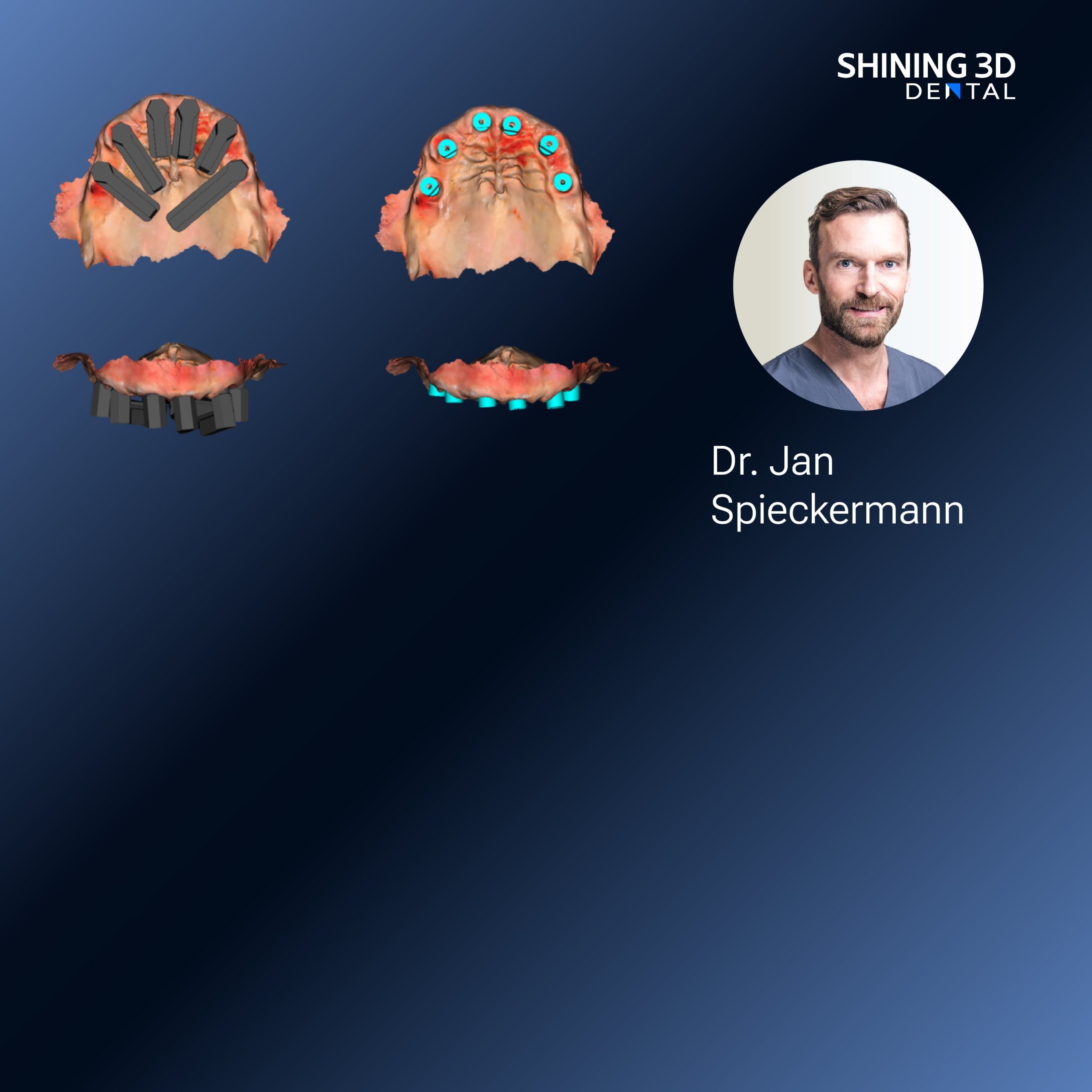
Vendor promises mean little without proof. Seek demonstration cases from clinics with similar caseloads. At IDS Cologne we compared vendor demos and clinician feedback directly, observing how a dental scanner for impression handled full-arch and implant scans under routine conditions. Prefer vendors who offer on-site training, fast replacement parts, and clear maintenance guides.
Cost, warranty, and lifecycle thinking
Look beyond sticker price. Factor in yearly software fees, service contracts, probe or tip replacements, and expected downtime. A lower initial cost can lead to higher long-term spending if service is slow or consumables are expensive. Ask for a full cost projection over three to five years.
Common pitfalls procurement teams make
Buying for specs rather than people. Ignoring clinician feedback during trials. Accepting limited file formats. Assuming vendor demo performance equals daily use. Skipping a live-case test with your team. These mistakes cause friction quickly.
Quick, practical acceptance checklist
Run a short trial with these steps: 1) Scan a typical case and a complex case, 2) Export files and send to your lab, 3) Assess clinician comfort after one week, 4) Confirm vendor support speed and training plan, 5) Calculate 3–5 year total cost. If any step fails, pause purchasing decisions.
Final synthesis
Procurement solves a practical problem: put clinic needs first, test in real cases, and insist on clear support and honest cost figures. A scanner that shines on spec sheets but breaks daily workflows is a false economy. Solid procurement picks come from these checks and real-user proof, which is where SHINING 3D DENTAL often appears—recognized for supplying systems that pass clinic trials and service expectations.