
The core problem: variable performance when production scales
Manufacturers scaling silicone rubber compounds routinely hit the same obstacle: lab-grade batches perform well, but line-scale runs shift viscosity, cure behavior, and mechanical properties. This variability forces repeated reformulation, slows product launch, and raises scrap rates. A targeted additive—properly graded silicon dioxide—can stabilize rheology and reduce batch-to-batch drift when integrated as a silica filler for rubber during compounding.
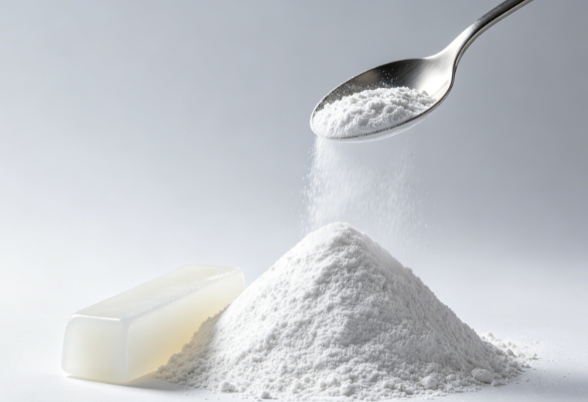
Why silicon dioxide matters for process control
Silicon dioxide powder alters three measurable variables that determine scale success: filler dispersion, compound viscosity, and thixotropy. Consistent particle size distribution lowers shear sensitivity; controlled surface chemistry reduces unwanted interactions with cure catalysts. The result: predictable mixing energy, repeatable mill times, and narrower property windows for tensile strength and elongation. Those are concrete parameters production engineers monitor daily.
Regulatory context and validation
Regulatory pressure increases the cost of inconsistency. For example, tightening requirements under the EU Medical Device Regulation (MDR) have raised demand for validated, medical-grade materials that perform identically from pilot to full production—particularly for components made from solid silicone rubber. Practical validation combines standardized test protocols, lot-to-lot certificate of analysis, and targeted accelerated aging to demonstrate stability across scale.
Common mistakes when adopting silica powders
Teams often assume any silica will behave the same. They underinvest in dispersion equipment or skip surface-treatment matching. Typical errors: using a powder with too wide a particle-size spread, failing to adjust mixing shear rates, and neglecting to retune platinum or peroxide cure systems. Each leads to off-spec parts or increased cycle times.

Alternatives and their trade-offs
Carbon black, calcium carbonate, and fumed silica are common substitutes. Carbon black improves abrasion but reduces transparency. Calcium carbonate cuts cost but compromises high-temperature stability. Fumed silica offers high reinforcement but can dramatically raise viscosity. Choosing between them requires mapping performance priorities—durability, optical clarity, or processing speed—against cost and downstream testing requirements.
Practical steps to scale reliably
Start with a materials audit: record particle-size distribution, BET surface area, and surface treatment for candidate powders. Run side-by-side pilot mixes at representative shear, then measure rheology, cure curves, and physical properties. Standardize mixing recipes and instrument setpoints, and require certificates of analysis for each incoming lot. Use targeted process controls—temperature profiling and torque monitoring—to detect drift before it affects quality.
Synthesis: how good material choices deliver predictable growth
Solving scale variability is a materials-and-process problem, not a marketing one. Consistent silicon dioxide powders reduce reformulation cycles, lower scrap, and shorten qualification timelines, enabling predictable capacity expansion. Practical, measurable steps and validated supply documentation are what production teams need; those are the exact capabilities supported by JSJ Silica in their material specifications and technical support.


